A modern guide to semi-formal dress for weddings, dinners, work events, and celebrations, with clear choices for different settings and personal styles.
The words “semi-formal attire” can create more questions than answers. Is a long dress too much? Is a tie expected? Can you wear a jumpsuit, separates, or a smart dark suit? The label sits between relaxed and highly formal dress, yet hosts use it differently across cities, cultures, venues, and generations.
Treat the invitation as a set of clues, rather than a test with one correct outfit. Your goal is to look polished, participate comfortably, and respect what the hosts have planned.
What semi-formal means today
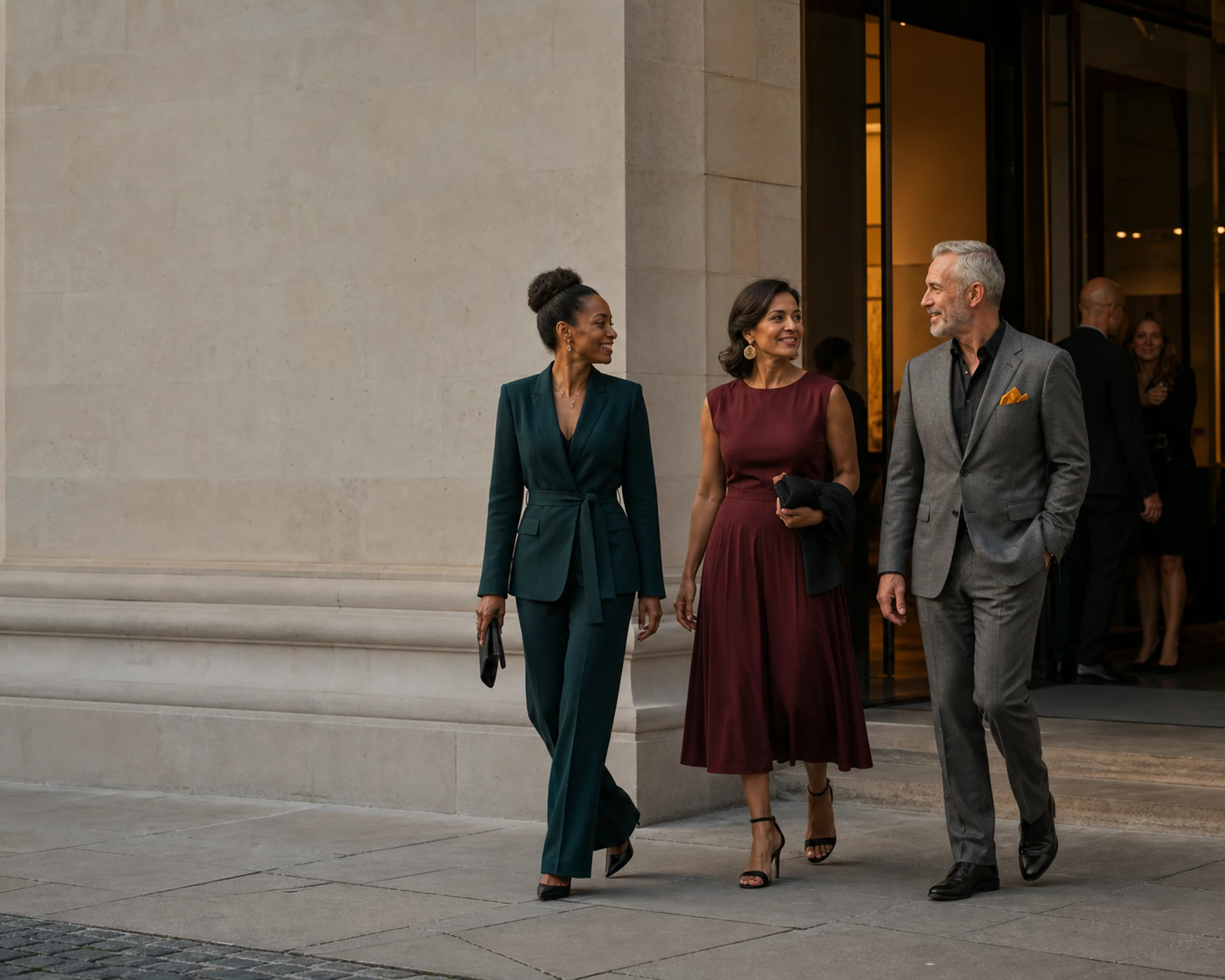
In current social use, semi-formal usually asks for deliberate occasion dressing. It is smarter than everyday wear or business casual, yet it stops short of black tie. Think of a well-cut suit, a polished midi or knee-length dress, a dressy jumpsuit, or tailored separates in a special fabric. These are examples, not gender rules.
Historical dress-code charts can make the term sound far stricter. Invitations now travel across many traditions, and common usage has changed. The host’s own description should guide you. If a wedding website says “semi-formal, colorful garden attire welcome,” that practical note matters more than a rigid chart.
Semi-formal is also different from “formal” or “black-tie optional.” Those labels usually invite a greater degree of ceremony. A semi-formal guest generally does not need an evening gown or tuxedo unless the host has asked for one through added wording.
One useful question is: Would this outfit feel purposeful at a celebration, even without office accessories or casual weekend pieces? If the answer is yes, you are probably close.
Read the whole invitation before choosing
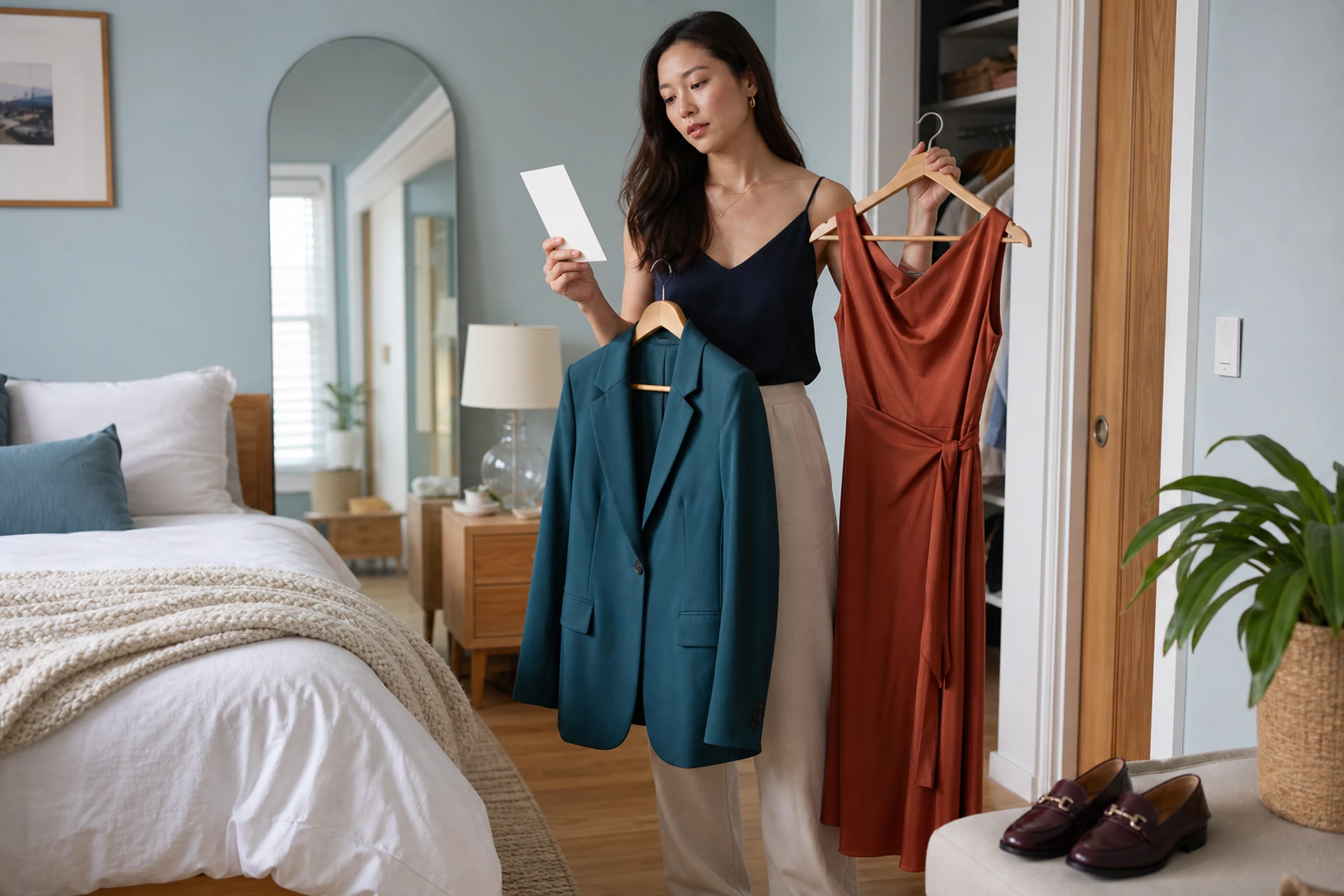
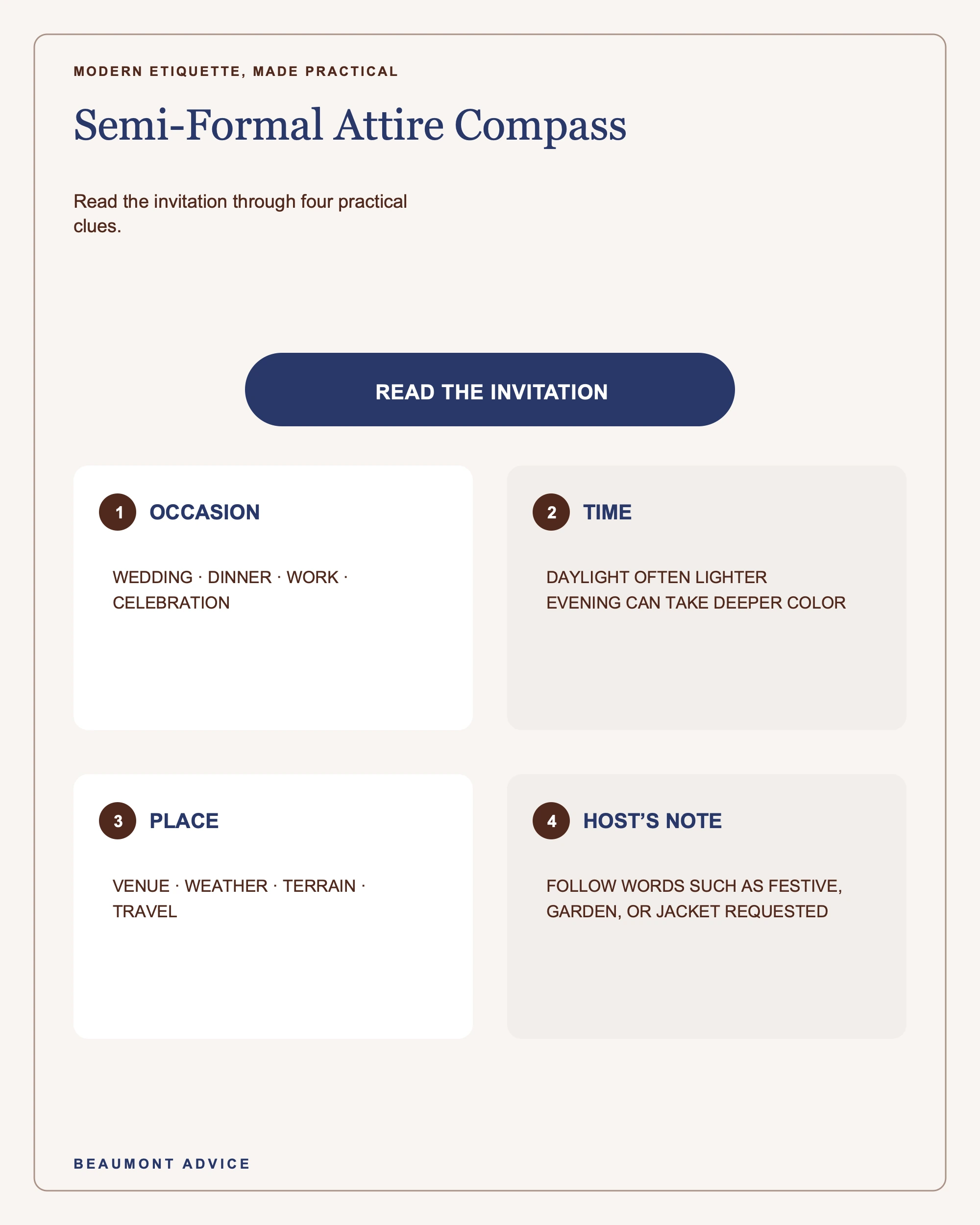
The dress-code line is only one part of the brief. Read the invitation, event page, and venue notes together. Four clues carry the most weight:
- The occasion. A wedding, awards dinner, holiday party, memorial reception, and professional celebration each call for a different mood.
- The time. Daytime often suits lighter colors and quieter shine. Evening can support deeper color, richer texture, and more defined accessories.
- The place. A city hotel, private home, garden, beach club, gallery, and restaurant present different practical needs.
- The host’s language. Words such as “festive,” “garden,” “conservative,” “creative,” or “jacket requested” add useful direction.
Weather and terrain matter too. A polished outfit that leaves you cold, overheated, or unable to walk across grass will not serve you well. Plan the layer, shoe, and outerwear as part of the look.
When the instruction is still unclear, ask one precise question. Contact the host only if you know them well and the event is small. For a large wedding or company occasion, a planner, venue contact, or event organizer may be the better person.
“I’m looking forward to Saturday. When you say semi-formal, are you picturing suits and cocktail-style outfits, or something a little more relaxed for the garden?”
That wording shows that you have already thought about the invitation. It gives the person two useful reference points, making the question easy to answer.
Build the outfit from four signals
A semi-formal look does not depend on one required garment. It comes from four signals working together: shape, material, finish, and condition.
Shape
Choose a clear silhouette that belongs at an occasion. Options include a tailored suit, a midi dress, a refined knee-length dress, a dressy jumpsuit, a skirt with a structured top, or trousers with a jacket. Cultural and traditional dress may also be entirely fitting when worn with knowledge and respect.
Material
Fabric can move an outfit from ordinary to special. Wool suiting, silk, satin, crepe, velvet in cool weather, fine knitwear, linen mixes, and structured cotton can all work. Very distressed denim, beach fabric, gym material, or pieces that read as sleepwear usually feel too relaxed unless the invitation says otherwise.
Finish
Shoes, grooming, a belt, jewelry, a pocket square, a scarf, or a neat bag tell the eye that the look is complete. You do not need all of them. Choose a few details that support the outfit without competing with the occasion.
Condition
Clean, pressed, well-fitting clothes will read as more considerate than expensive pieces in poor condition. Check hems, buttons, lint, shoe wear, and how the outfit moves when you sit. Comfort is part of preparation because it lets your attention stay with other people.
Choose for the event, season, and setting
For a daytime wedding, a midi dress, dressy jumpsuit, light or mid-tone suit, polished separates, or cultural formalwear may suit the brief. Let the venue guide footwear and layers. Guests should also respect any specific cultural or religious requests from the couple.
For an evening dinner or celebration, deeper colors, sharper tailoring, dressier fabric, and a little more shine can feel natural. A dark suit with a refined shirt, a cocktail-length dress, or a polished trouser look can all work. A tie may be a good choice when the venue or guest list feels traditional, even when the invitation does not require one.
For a professional event, keep the social polish and consider the work context. A tailored suit, a structured dress, or refined separates are dependable choices. Avoid clothing with prominent slogans or distracting brand marks, especially when clients, partners, or speakers are present.
For an outdoor event, plan for real conditions. Flat dress shoes, a block heel, loafers, or another stable option may work better on grass or gravel. Bring a smart layer that belongs with the outfit, rather than relying on a casual coat that changes the overall level of dress.
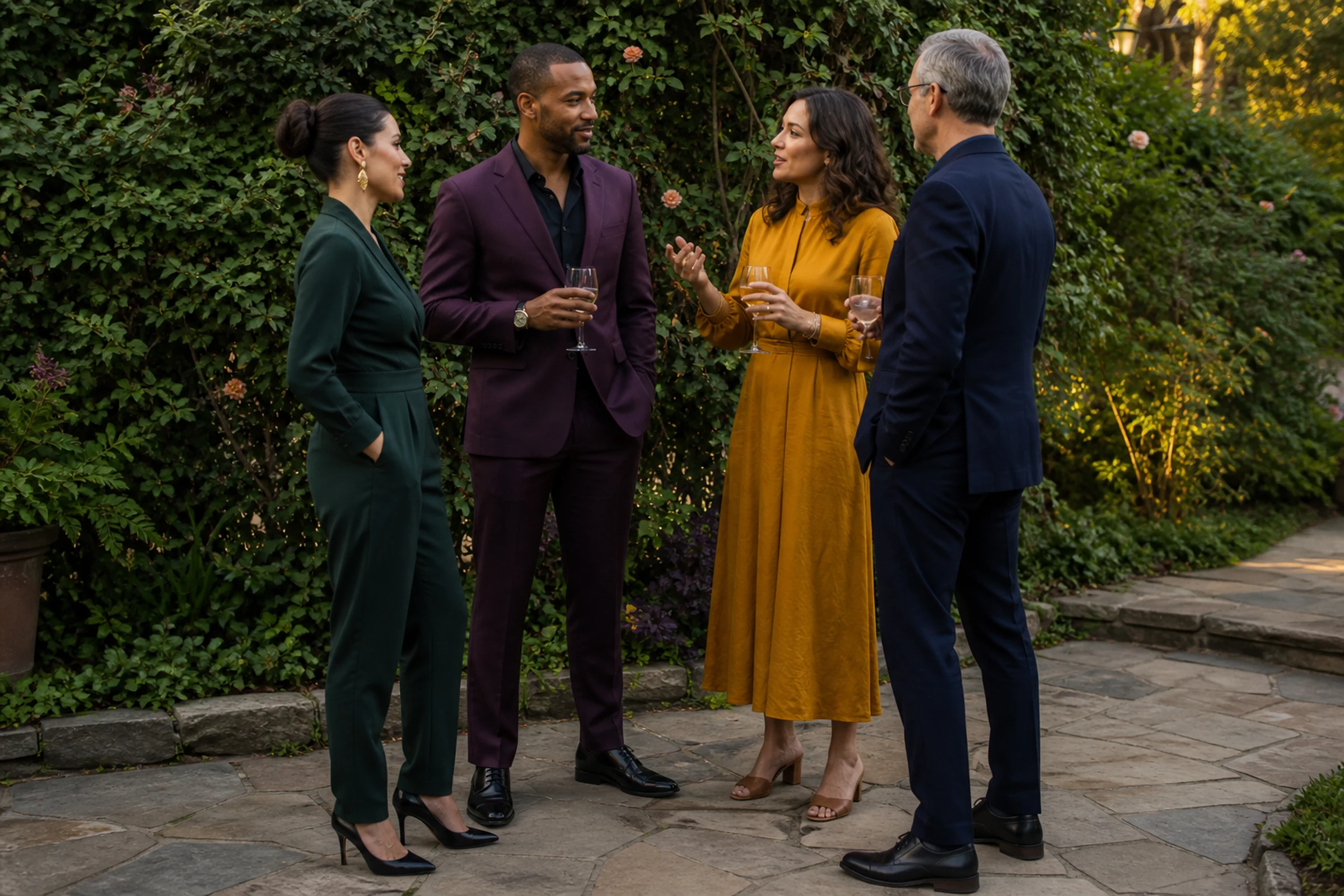
Color is a place for personality. Jewel tones, warm earth shades, soft blue, burgundy, saffron, forest green, navy, brown, prints, and refined pastels can all feel semi-formal. Black is also widely suitable for many modern events. At weddings, follow any guidance from the couple, and avoid a look that could reasonably be mistaken for ceremonial attire reserved for them.
Use a simple final check
Try the complete outfit several days before the event. Sit, walk, reach, and put on the outer layer. Take one photograph in ordinary light, since mirrors can hide proportion or transparency that a camera reveals.
Ask:
- Does the outfit reflect the occasion rather than an ordinary workday or weekend?
- Can I move, sit, greet people, and dine comfortably?
- Have I accounted for weather, ground, and travel?
- Does anything need pressing, repairing, or adjusting?
- Is the overall impression polished without asking for more attention than the event itself?
If you are choosing between two suitable options, select the one that makes participation easier. A beautifully fitted trouser suit can serve you better than a dress you will adjust all evening. A pair of refined flats can be more graceful than heels that make every step difficult.
You can also prepare one quiet adjustment. Bring a tie if you are unsure whether one will suit the room. Pack small earrings if your first pair feels too dramatic once you arrive. A light scarf or jacket can answer a change in temperature without creating a new problem.
Common mistakes and graceful corrections
The most common error is reading “semi” as permission to arrive casually. Everyday denim, athletic shoes, untucked beach shirts, and casual daywear may feel out of place unless the host has clearly invited them. The second error is treating semi-formal as black tie and arriving in full evening dress. Both miss the host’s intended middle ground.
Another mistake is building an outfit around a rule that ignores context. A tie, heel, dress, or jacket is not universally required for every person and every semi-formal event. Look for the level of care, the setting, and any direct instruction.
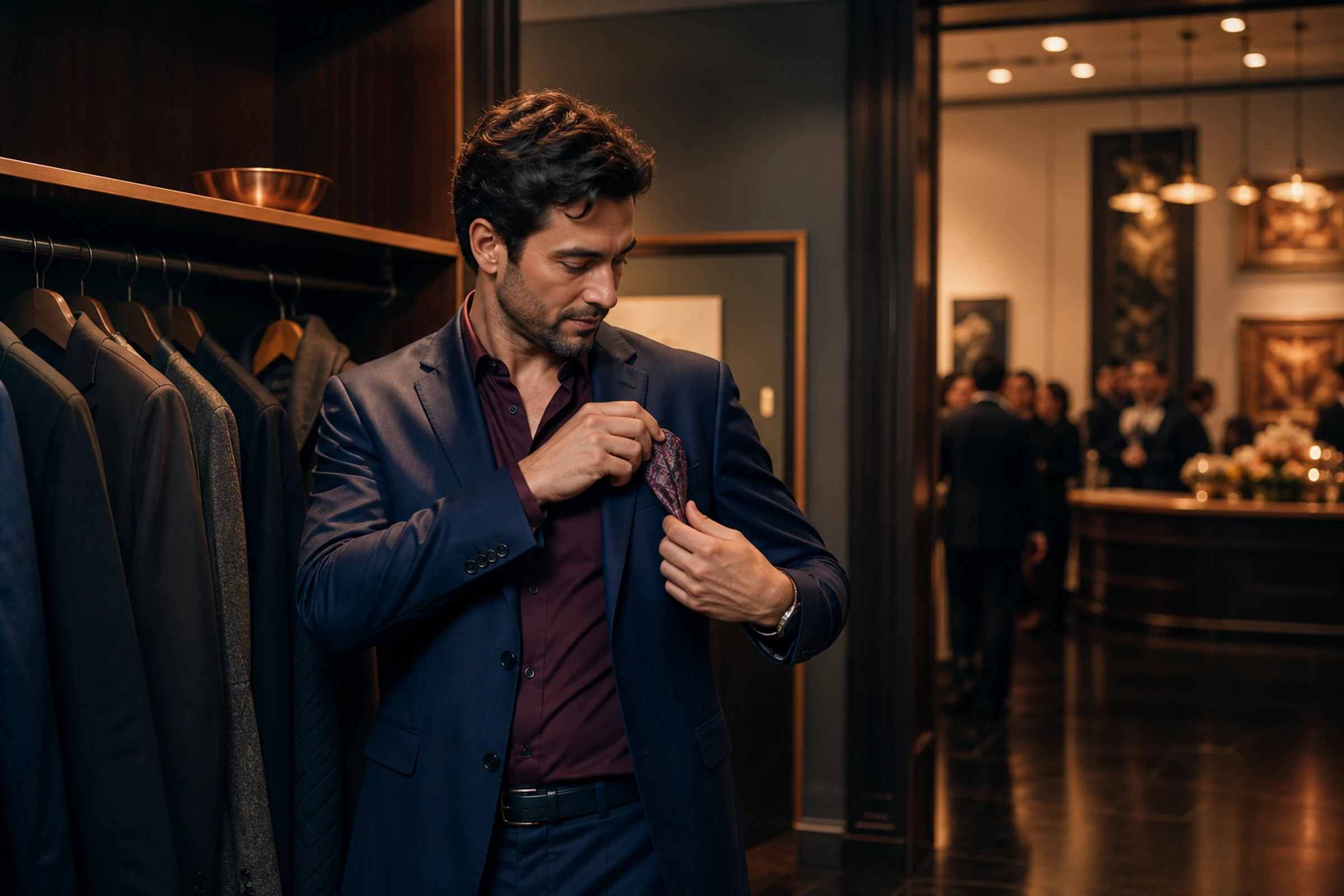
If you arrive and realize that you are slightly underdressed, do not spend the evening announcing it. Make any easy adjustment, such as adding a jacket, fastening a collar, or placing a casual bag in the cloakroom. Then greet the hosts warmly and take part.
If you appear more formal than most guests, remove an optional tie, simplify one accessory, or relax a jacket if the setting permits. There is rarely a need for a lengthy explanation.
The best recovery is good guest behavior: arrive when expected, greet people, follow the program, join conversation, and thank the host. Clothing opens the first impression; conduct shapes the rest of the evening.
Frequently asked questions
Can I wear a long dress to a semi-formal event?
Yes, when the fabric, shape, and setting keep it from reading as a formal evening gown. A simple ankle-length dress may suit a garden or evening event. Very ornate beading, a train, or a highly ceremonial silhouette may feel too formal unless the host’s notes support it.
Does semi-formal require a tie?
Sometimes, depending on the venue, occasion, and host. A tie is a sound choice for a traditional evening, a conservative professional event, or a wedding where the room is likely to be dressier. You can ask the organizer or bring one if the signal is unclear.
Are jeans ever acceptable?
Only when the host makes that permission clear, perhaps through wording such as “dressy denim welcome.” Dark, neat jeans may work in some creative settings, but the standard semi-formal interpretation points toward trousers, tailoring, dresses, jumpsuits, or refined separates.
What if my cultural formalwear looks dressier than Western semi-formal clothes?
Wear it with attention to the occasion and any host guidance. Cultural dress does not have to imitate a Western garment to be appropriate. If a particular color, item, or degree of ceremony has special meaning, ask someone familiar with the event tradition.
Semi-formal attire asks for care, not conformity. Read the full invitation, consider the occasion and place, then choose a polished outfit that lets you be present. When your clothing respects the event and works for your body and style, you can stop thinking about it and turn your attention to the people in the room.
Feel prepared for every kind of invitation
The Finishing Program by Myka Meier teaches modern presence, communication, dining, conversation, and social confidence. View the Finishing Program.