

A sincere sympathy card can be brief. Name the loss, offer one honest thought, and sign in a way that reflects your relationship.
When someone dies, ordinary language can suddenly feel inadequate. You may hold a blank card and worry that a familiar phrase sounds cold, a personal memory will cause pain, or a clumsy sentence will make a hard moment harder.
A sympathy card is not expected to explain loss or remove sorrow. Its role is smaller and deeply human: to acknowledge what happened, recognize the person who died, and let the recipient know they have not been forgotten.
You do not need a perfect message. A few sincere lines, written with care, are enough. The guidance below can help you begin, shape the middle, and choose a closing that feels true to your relationship.
Begin with the clearest truth you can say
Start by naming your concern plainly. You might write:
“I was so sorry to hear about Daniel’s death.”
“I am thinking of you and your family after the loss of your mother.”
“My heart is with you as you remember Lena.”
If you knew the person who died, using their name can make the note feel personal and real. It confirms that this individual mattered and is remembered. If you did not know them, you can center your connection with the recipient:
“Your love for your father was always clear. I am thinking of you.”
Keep the opening free from guesses about how the recipient feels. Grief is personal, and reactions may change from one moment to another. “I can only imagine what this is like” leaves more room than “I know exactly how you feel.”
If the circumstances are private or unclear, do not ask for details in the card. Acknowledge the loss and let the recipient decide what they wish to share.
Build the card in three gentle parts
A useful sympathy note can be as short as three sentences:
- Acknowledge the loss. Say that you are sorry and name the person when appropriate.
- Add one personal thought. Share a memory, quality, or simple expression of care.
- Close with support. Offer a realistic form of help, or say that you are holding the recipient in mind.
Here is the full pattern:
“I was so sorry to hear about Amara’s death. I will always remember her quick laugh and the way she made every new person feel welcome. I am thinking of you and sending love.”

The middle sentence does not need to summarize a life. One small detail may carry more warmth than several formal lines:
“I still remember the dahlias she brought to our first neighborhood dinner.”
“His patience with every new member of the team stayed with me.”
“Your stories made it clear how much joy your grandfather brought to the family.”
When you have no memory to share, write about what you know of the relationship:
“It was always clear how much your sister meant to you.”

Sincerity does not require length. Stop when you have said what is true.
Choose wording for your relationship
The tone can change according to how you know the recipient and the person who died. Use these examples as starting points, then replace general phrases with details that belong to the relationship.
For a close friend
“I am so sorry about your mum. I loved her warmth, her humor, and the way she always made room for one more person at the table. I am here to listen, sit quietly, or bring dinner. With all my love, Maya.”
For a colleague
“I was very sorry to hear about your brother’s death. Please know that we are thinking of you and will take care of matters here while you are away. With deepest sympathy, Thomas.”
Keep workplace messages caring and free from questions about leave, schedules, or return dates. Practical arrangements belong in a separate conversation led by the relevant person or team.
When you knew the person who died
“Nora brought such curiosity and kindness to our book group. I will remember her thoughtful questions and her beautiful apple cake. I am grateful to have known her. With sympathy, Elena.”
When you did not know the person who died
“I am so sorry for the loss of your aunt. The way you speak about her tells me she was deeply loved. I am thinking of you and your family. Warmly, James.”
From a family or group
One person can write the main note and list the names below, or each person can add a short line. Make the signers clear so the recipient does not have to identify an unfamiliar surname.
“We are holding your family in our thoughts and remembering Marco with great affection. With sympathy from the Chen family, Lin, David, June, and Theo.”
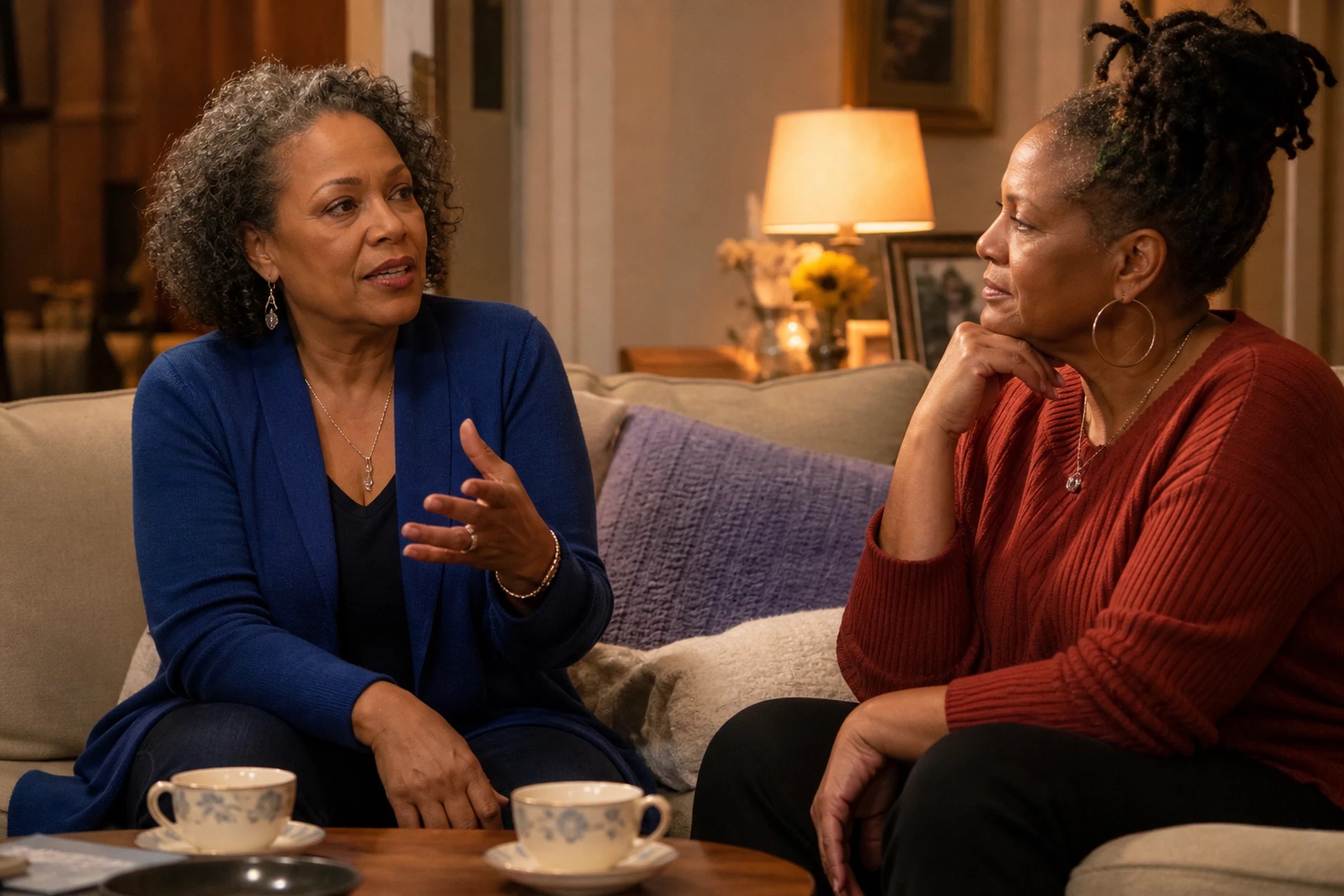
Religious or spiritual language can be comforting when you know it reflects the recipient’s beliefs. If you are unsure, use open expressions of care. “You are in my thoughts” is more respectful than assigning meaning to the death.
Revise phrases that may place a burden on the reader
Many familiar lines are kindly meant. Some can ask the recipient to accept a conclusion they may not share. Review your draft for language that explains, compares, predicts, or instructs.
Consider revising these patterns:
- “Everything happens for a reason” can become “I am so sorry this happened.”
- “At least they lived a long life” can become “Their life touched so many people, including me.”
- “They are in a better place” can become “I am thinking of you and remembering them with love.”
- “Be strong” can become “You do not need to reply. I am here.”
- “I know how you feel” can become “I care about you and am ready to listen.”
- “Let me know if you need anything” can become one task you can truly carry out.
A specific offer reduces the work of deciding what to request:
“I can leave supper at your door on Friday. I will text first, and there is no need to visit.”
“I can take the children to school one morning next week if that would be useful.”
Make only an offer you can keep. If practical help would not suit the relationship, a simple promise to stay in touch is enough.
Sign, send, and continue your care
Choose a closing that matches the distance or closeness of the relationship:
- “With deepest sympathy” for a formal or less familiar connection.
- “With sympathy” for a simple, traditional close.
- “Thinking of you” for a warm and direct tone.
- “With care” or “Warmly” for a friend, neighbor, or colleague.
- “With love” when love is already part of the relationship.
Sign your full name when the recipient may know several people with the same first name. Add a connection if it will help, such as “Priya Shah, from Daniel’s architecture team.” On behalf of a business group, name the team and the individual signers.
Send the card when you are able. There is no narrow window in which care becomes invalid. A message received after the first rush of calls and flowers can be meaningful because it shows that remembrance continues.

The card may be your first gesture. Later care can include remembering the person’s name in conversation, sending a brief check-in, or offering practical help again. Follow the recipient’s cues. They may want to talk, change the subject, sit quietly, or decline an invitation.
Your role is presence, not a plan for how grief should proceed.
Frequently asked questions
What if I write the wrong thing?
Keep the note sincere, avoid explanations or comparisons, and center the recipient. If a phrase feels too certain about their feelings or beliefs, replace it with a plain expression of care.
Should I mention the person who died by name?
Usually, yes, when you know the name and it feels suited to the circumstances. It recognizes the person directly. Respect any naming, privacy, faith, or cultural preference the family has shared.
Is a printed message enough?
The printed verse can support your note. Add at least one handwritten sentence and your name. Even “I am thinking of you and your family” makes the card personal.
Do I need to receive a reply?
No. Do not place any expectation on the recipient to thank you, return a call, or update you. The card is a gift of care without an assigned response.
A sympathy card does not need to solve the unsolvable. It needs to be honest, kind, and present. Name the loss, share one true thought, sign in the voice of your relationship, and let the recipient receive your care without further duty.
Continue with a guide to written thanks
A Modern Thank-You Guide helps you choose between a text, email, call, or handwritten note for meaningful moments. Read the Modern Thank-You Guide.
