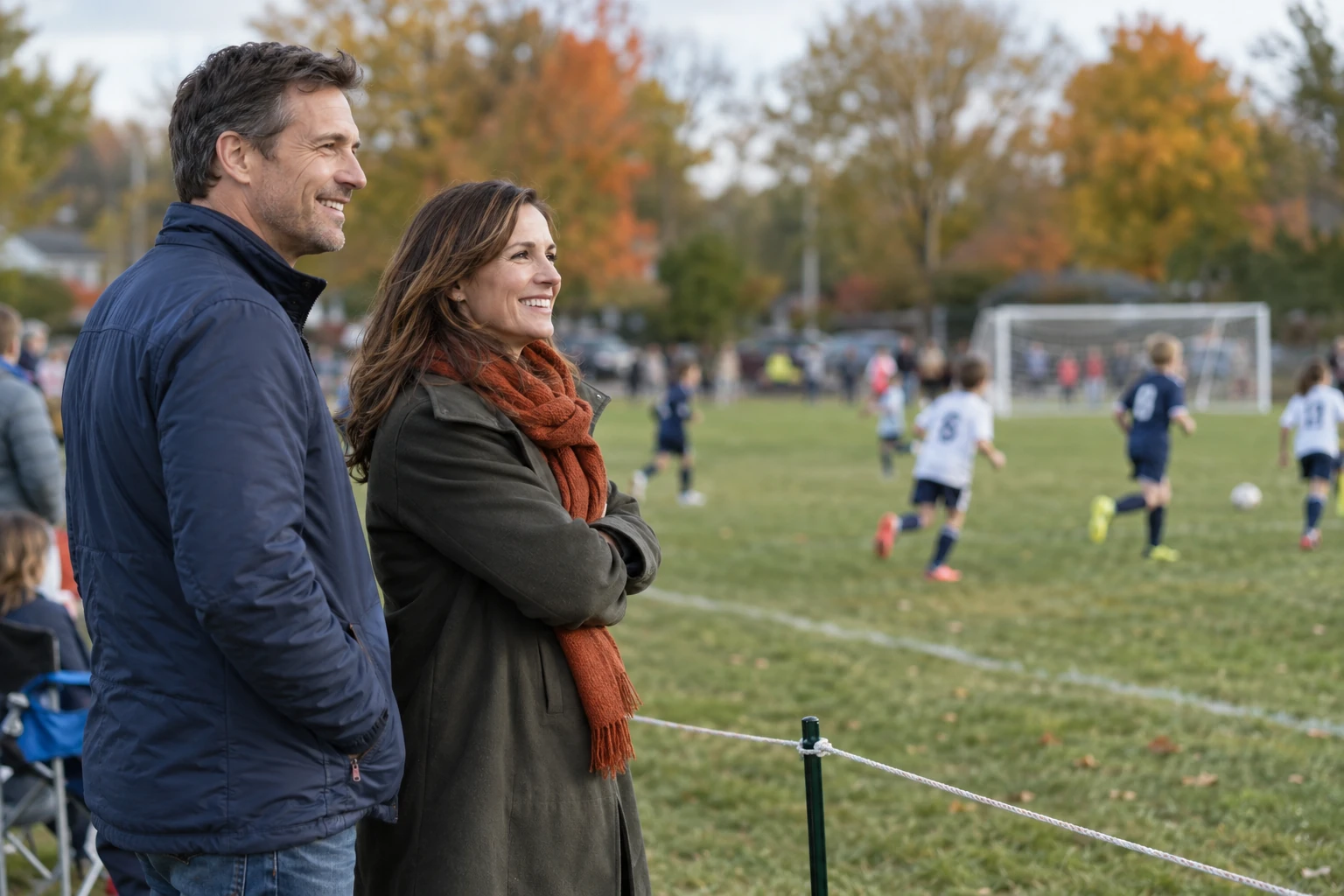
Children notice how adults behave when the score is close, a call feels unfair, and somebody makes a mistake. The sidelines offer a lesson of their own.
A child looks toward the sideline after missing a pass. What they see can matter as much as the next instruction from the coach. A reassuring face allows them to return to the game. An adult shouting in frustration adds another problem for them to manage.
Good sideline etiquette gives children room to play, learn, compete, and recover from mistakes. Parents still have an active role: prepare them, support the team, respect the people running the event, and raise genuine concerns through the right channels.
You do not need to know every rule to be a considerate spectator. You need to understand your role and remember that your child is watching the adults as well as the ball.
Learn the team’s expectations before the first whistle
Read the club or school’s guidance about arrival, spectator areas, communication, photography, and collecting children afterward. Rules vary by sport, venue, and age group. The coach’s preseason message may answer questions that would be difficult to discuss during a game.
Clarify practical matters early. Who should receive an absence message? Where can parents stand? How should a concern be raised? Are there occasions when families are expected to help? Knowing these details prevents unnecessary interruptions when staff are supervising children.
Arrive with enough time for your child to get ready without a rushed farewell. If you are delayed, inform the designated person. Bring suitable clothing, water, and any items the team has requested. A calm arrival gives the child a better starting point than an argument over a forgotten shoe in the parking lot.
Respect the boundaries around the playing area. A better photograph or closer view is not a reason to enter a space reserved for players, officials, or medical staff.
Cheer without becoming a second coach
Encouragement and instruction can sound similar from a distance, but they ask different things of a child. “Keep going” offers support. Repeated commands about where to run or whom to pass to can compete with the coach’s instructions.
Choose encouragement that acknowledges effort, cooperation, or recovery. “Great teamwork” and “Well done for trying again” keep the focus broad. Let coaches handle tactics, substitutions, and correction during play.
Ask your child outside the game how they feel about cheering. Some love hearing their name. Others find a loud running commentary uncomfortable. You can be fully supportive at a lower volume.
Be especially careful with comments that sound positive but carry pressure: “You have to win this for us” or “Show everyone why you are the best.” The child should not have to carry an adult’s pride alongside the ordinary demands of playing.
Respect officials when you disagree
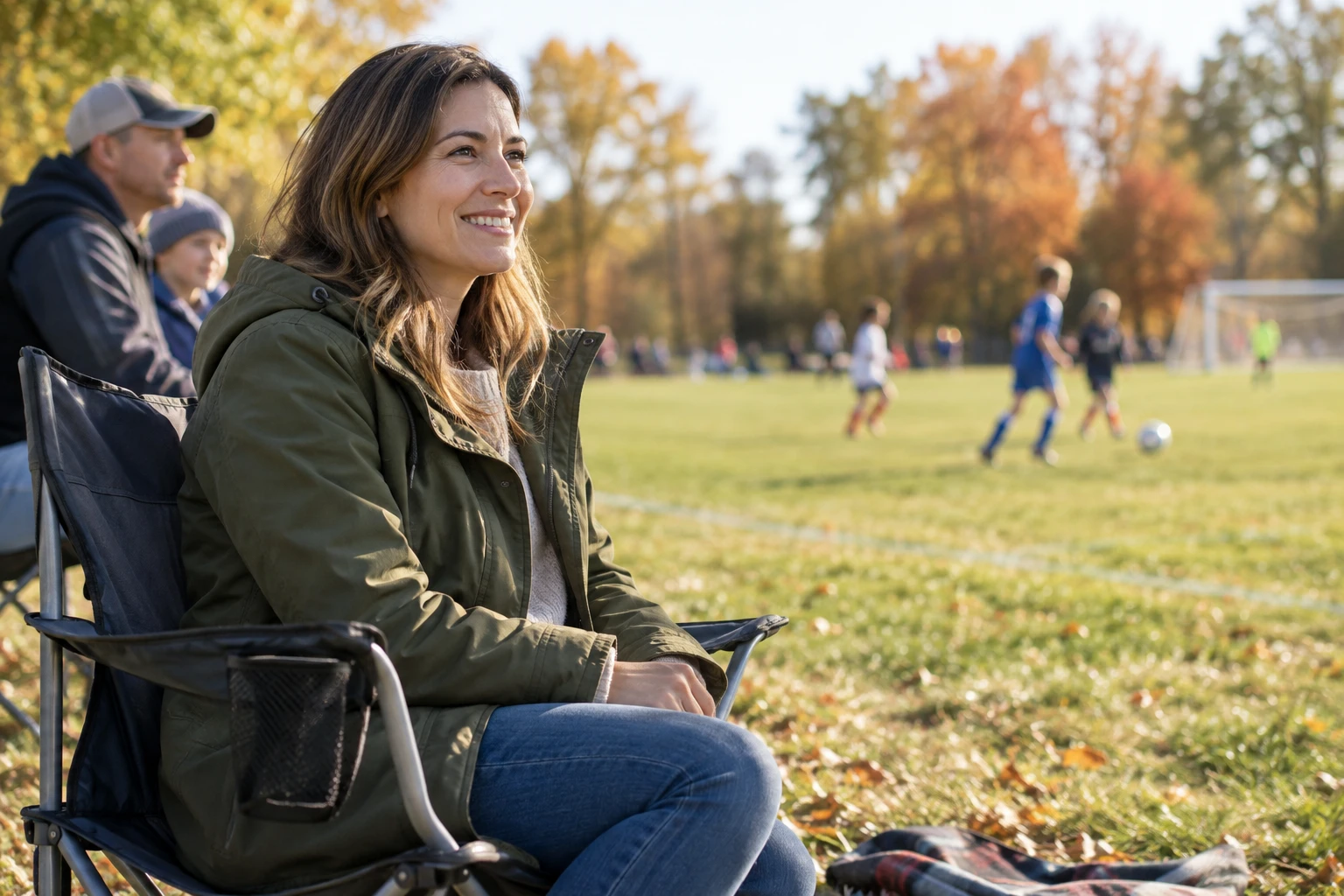
An official may make a decision you question. Reacting with insults, sarcasm, or personal criticism teaches children that respect depends on getting the result they want.
Pause before responding. You may have seen the play from a different angle, missed a rule, or correctly noticed an error. None of those possibilities makes shouting from the sideline a useful solution. Let the coach use the procedures allowed by the sport.
Applaud good play without adding commentary about the official. Avoid drawing nearby spectators into a chorus of complaints. A child who hears every decision blamed on someone else loses an opportunity to learn how to continue when circumstances are disappointing.
This does not mean ignoring threatening behavior, discrimination, or an immediate safety concern. Contact the designated staff member or safeguarding lead, and use emergency procedures if necessary. Everyday disagreement over a call belongs in a different category from a child needing protection.
Treat the other team as children, too
It is easy to see your own team’s nervous beginners and the opposing team’s confident competitors. In reality, both groups include children having good days, difficult days, and moments they will wish they could redo.
Do not heckle an opposing player, celebrate an injury, or make jokes about a child’s body, ability, equipment, or family. Avoid comments that could follow a young person beyond the field, including remarks posted in a parent group chat.
You can acknowledge an impressive play by the other side. That does not weaken your loyalty. It shows that effort and skill deserve recognition across team colors.
If a child becomes upset after a result, allow the feeling without encouraging blame. “That was disappointing” is a reasonable response. “They only won because everyone was against us” gives frustration a story that may be hard to let go.

Make the sidelines pleasant for other families
Share the available viewing space. Keep bags, chairs, umbrellas, and younger children out of walkways. Follow venue rules about pets, food, and noise. Move with care rather than stepping repeatedly in front of somebody’s view.
Conversations among parents are part of the pleasure of youth sport, but avoid turning them into a public assessment of individual children. Comments about who deserves more time or who is “holding the team back” can reach the child or family being discussed.
Include new parents with a simple introduction or practical offer. “The team gathers by the far gate afterward” can be more useful than a long explanation of last season’s disputes.
If you notice someone struggling with access or carrying equipment, offer help without assuming it is wanted. Respect reserved accessible spaces even when they appear temporarily unused. The person who needs them may arrive during the game.
Be thoughtful about photographs and sharing
Check the team or venue’s photo policy before taking pictures. A photo of your child may include other children whose families have different privacy needs. Permission to attend a public event is not a blanket invitation to feature everyone in a social post.
Avoid publishing a child’s full name alongside identifying details about their regular location or schedule. If another family asks you not to photograph or share their child, accept the request without asking them to explain.
Keep disappointing moments private. An upset player, an injury, or a disagreement is not material for entertainment. Do not circulate screenshots of a coach’s message or another parent’s complaint to people outside the intended conversation.
When sharing team photographs is permitted, choose respectful images that the children would be comfortable seeing. A useful question is whether you would want the same moment of yourself circulated among strangers.
Choose the right moment to speak to the coach
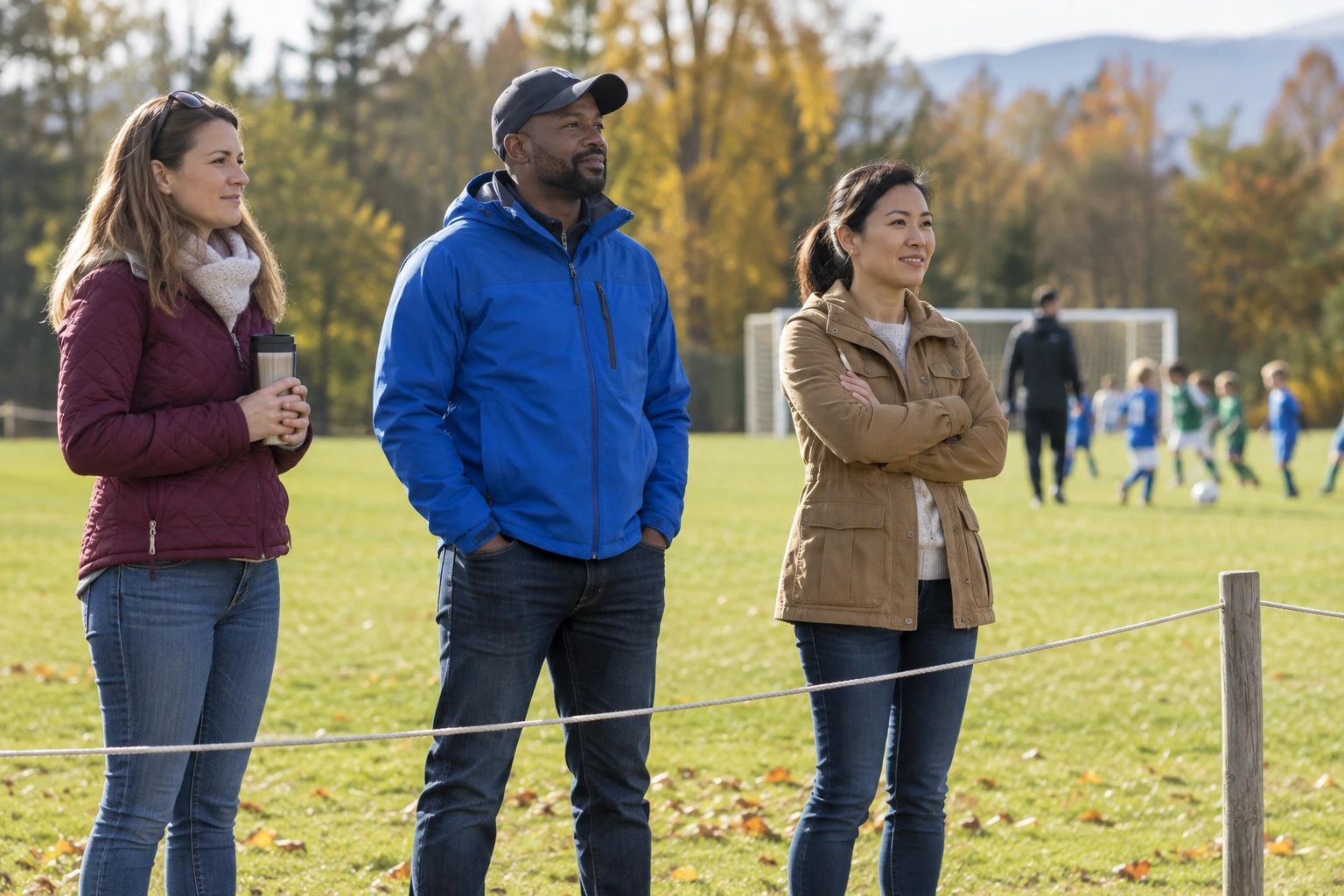
The end of a difficult game can feel like the obvious time to ask about playing time. It is often a poor moment for a useful conversation. Coaches may be supervising children, packing equipment, or processing the game themselves.
Follow the team’s communication policy. If there is no urgent concern, ask for a suitable time rather than starting a discussion on the touchline:
“Could we arrange a few minutes this week to talk about how Maya can develop? I would like to understand what she should work on.”
Describe observations and ask questions. “She seems uncertain about her role” opens a discussion more readily than comparing her to another named child. Let older children take an age-appropriate part in conversations about their own experience, with your support.
After listening, agree on the next step. If a concern remains unresolved, use the club’s stated process. Avoid recruiting other families into a campaign through a group message before you have tried the appropriate route.
Let the journey home belong to the child
Some children want to replay every minute. Others want a snack and a quiet ride. Begin with an open invitation rather than a detailed review:
“Would you like to talk about the game, or take a break from it?”
If they want to talk, listen before offering a lesson. Ask what they enjoyed, what felt difficult, and what they would like to try next. A child may care about a friendship or a small improvement that you did not notice from the sidelines.
Avoid making affection or approval seem tied to the result. Recognize something real: sharing the ball, encouraging a teammate, or staying engaged after a mistake. There is no need to manufacture praise for every action.
If your child behaved poorly, address it calmly once they are ready to listen. Name the behavior and a practical repair. They can be disappointed about losing and still be responsible for the way they spoke to someone.
Repair your own mistake openly
Adults get carried away, too. If you shouted something unkind, do not explain it away as passion. Apologize to the person affected when appropriate, and tell your child what you will do differently.
“I spoke disrespectfully about the official. That was wrong. Next time I will pause and let the coach handle the question.”
Keep the apology focused. Your child does not need a long account of why you were provoked or reassurance that your behavior proved how much you cared. A clear repair shows that the standards apply to everyone.
Practice consideration beyond the field
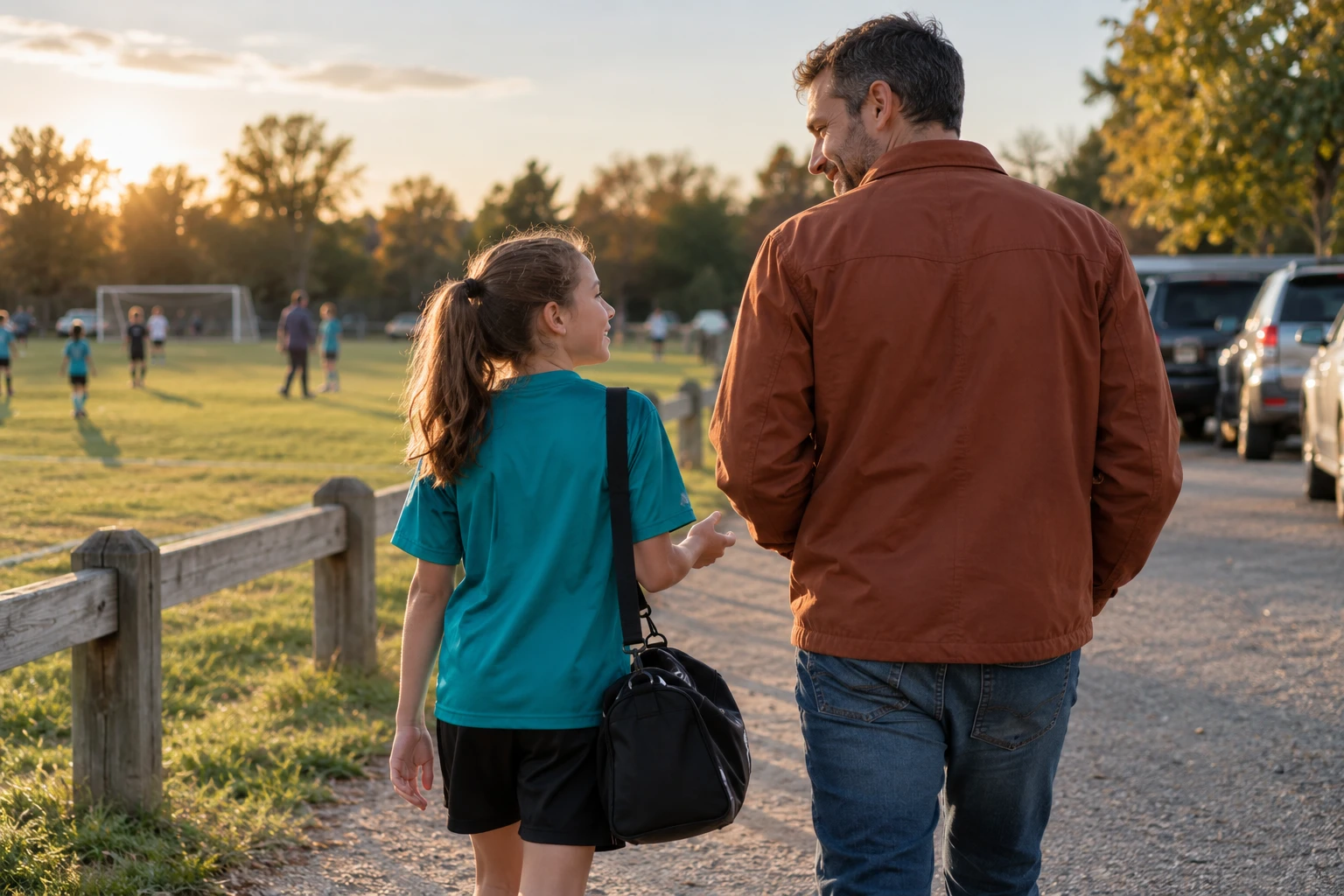
The same habits carry into school, friendships, and family life: listening, taking turns, speaking respectfully, and recovering after disappointment. Our back-to-school manners guide offers more everyday practice.
For guided work on social confidence and consideration, explore Beaumont’s Children’s Etiquette Private Course. The strongest lesson still begins with what children see the adults around them do.